Nowadays, as the development of new technologies, digital business is becoming more popular.
My major in both undergraduate and master are international tourism management so the reason why I chose this module is to find the relationship between the digital trend and tourism. This module led by Lisa Harris from the University of Exeter gave me useful information through MOOC and weekly module discussions.
In the first assessment, we focused on different careers.
Xiangdan Guo and I thought about tourism in this part. We agreed that the digital progress would help tourism develop. Although it made positive progress, it causes unemployment of tour guides or service staff at the same time. So people need to find a balance between digitization and human.
Wenjing Yu also gave her opinion on how digital business changed human resources management.
As for the assessment about describing an organization that has a successful digital business model, I also learned so much from other people.
Xiaoqing Yang and I agreed that digital technologies could help traditional industries find more chances. I analyzed the digital business model of Tesco while she found the digital operation of ASOS. ASOS should be an example of the clothing industry, so the popularity of online shopping websites means this industry already started to make use of the digital trend.
Another interesting article should be the discussion from Xuehong Hu of JX3 which is a famous online role-playing game. Compared with other industries mentioned, the game industry as a typical emerging industry. According to her blogpost, I learned why this game became so popular. She gave a clear description of the business model of JX3 from both sides of players and the company.
Both new and traditional industries are developing digital business.
Moreover, as an example of the digital business model, some digital platforms called “online travel agency”(OTA) had my attention. Before learning this module, I only knew tourism should connect with digitization while now I understood how they cooperate.
In conclusion, the most important thing for me is, this module helped me to think about the practical methods of how the digital trend influence people and every industry. As I would like to work in tourism in the future, this digital awareness should be very helpful.
Finally, thank you, Lisa, for your work and patience in the past few weeks.
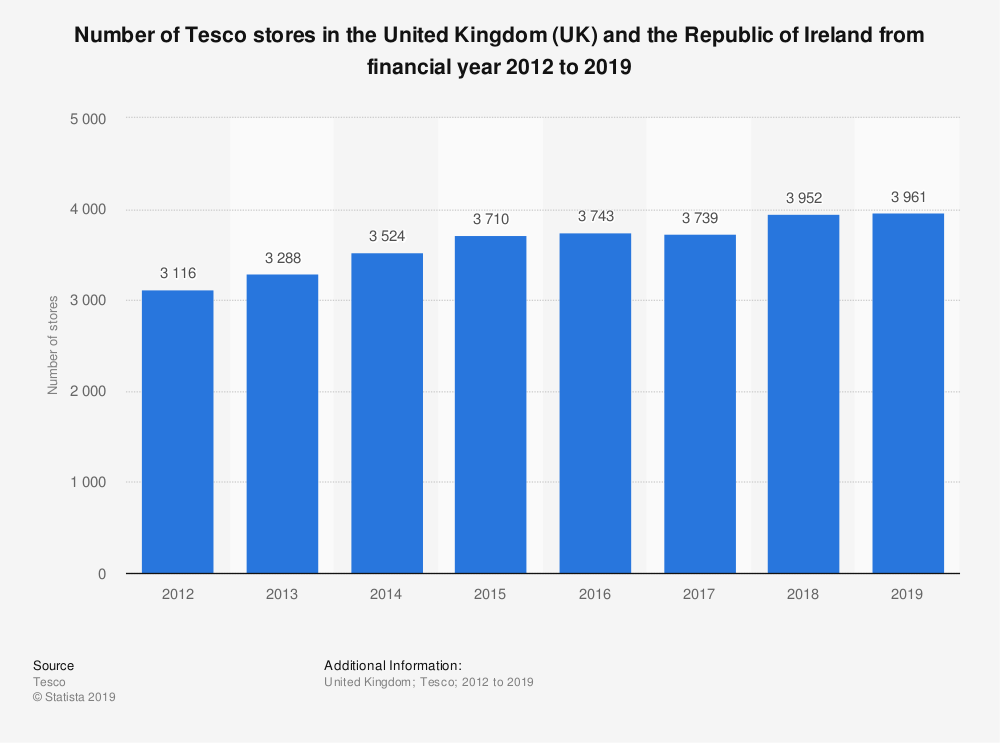
In 2019, the gross sales of Tesco were £56.9bn which grew 11.3% compared with £51.0bn in 2018(Annual Report and Financial Statements, 2019). And the number of stores in the UK and Ireland was also growing from 2012 to 2019 which means Tesco is super popular in Britain and it has great progress. Under the background of digitization, if it wants to win the competition between several different supermarket companies in the UK, Tesco needs to change its traditional business model and operating model into new digital ways and luckily it is doing this thing. What Tesco has been improving are “click and collect” service by Tesco Direct, in-store customer experience, and digital loyalty card.
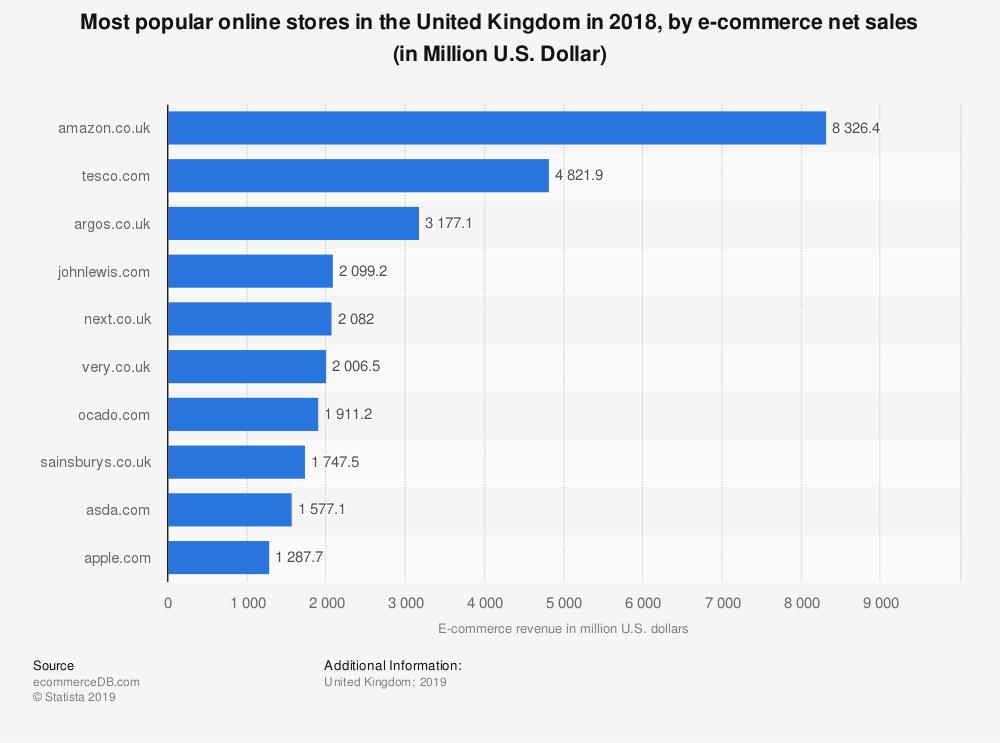
Tesco delivery service is very common for the British according to the figure about the top ten most popular online stores in the UK in 2018. It shows that Tesco was the top one of supermarkets compared with others like Ocado and Sainsbury while there was a huge gap between them. By online shopping, busy people do not spend time to go to the supermarket, what they need to do are click and collect. So more and more people prefer to finish stocking up on a few essentials online and there is no doubt that this digital tend would bring huge profits to Tesco. Based on the platform solely for home delivery, dealing with orders is becoming more efficient and the customer experience would be better which is beneficial to further development.
As for the in-store experience, the digital business mainly is showed by self-service checkout and in-store video cameras. Firstly, as self-service checkout has been very popular now, this digital service could increase the efficiency of checkout compared with only staff service. And the cameras near self-check machines could effectively fight against theft. Another kind of cameras is used to show whether the fresh vegetables and fruits are sold out or not if something is sold out then it will automatically send messages to staff for replenishment. Besides, Tap& Tag as new technology to replace paper receipts is also testing(Hobbs,2016). By this system, a customer could receive a digital receipt or discount information via e-mail, app or website after online registering. So, Tap& Tag as a new digital technology could become a new marketing channel, it not only could give customers more choices but also will be beneficial to attract customers to come back again by these tailored offers and messages attached. The technical program manager at Tesco claimed that a paperless future might come soon which means that wallets will disappear and everything like receipts, loyalty cards even bank information will be on your phone. With these digital technologies, Tesco creatives better in-store customer experience, and higher working efficiency.
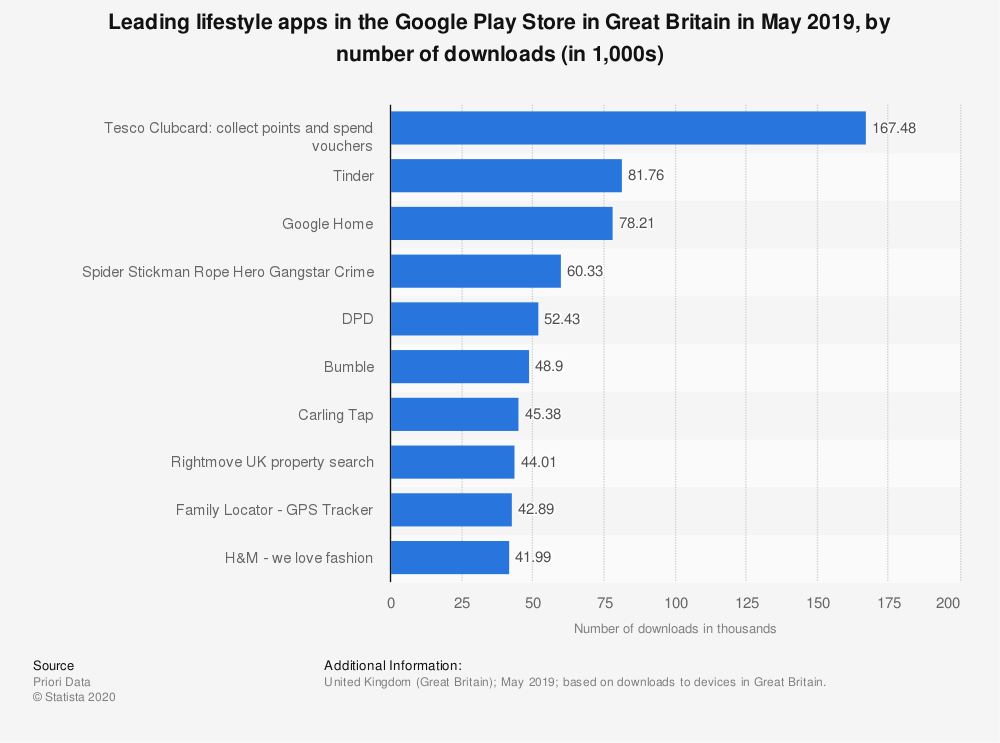
Finally, digital loyalty cards are used to collect a big scale data of customers. People can get points by spending money online or in-store while these points can be changed into money. When the customer is checking out, he can pay by TescoPay+ which is a personal digital wallet got after signing in and getting a loyalty card. Also, Tesco uses the personal purchase history to predict what customers will buy in the future and give some corresponding personal discounts by big data analysis and algorithms. The promotion of club cards and a combination of digital wallets are useful to push customers to repeat purchases and increase their brand loyalty degree which would keep making positive influence on Tesco since it still has many competitors for example Sainsbury’s. From this figure, this digital card has seen a good result.
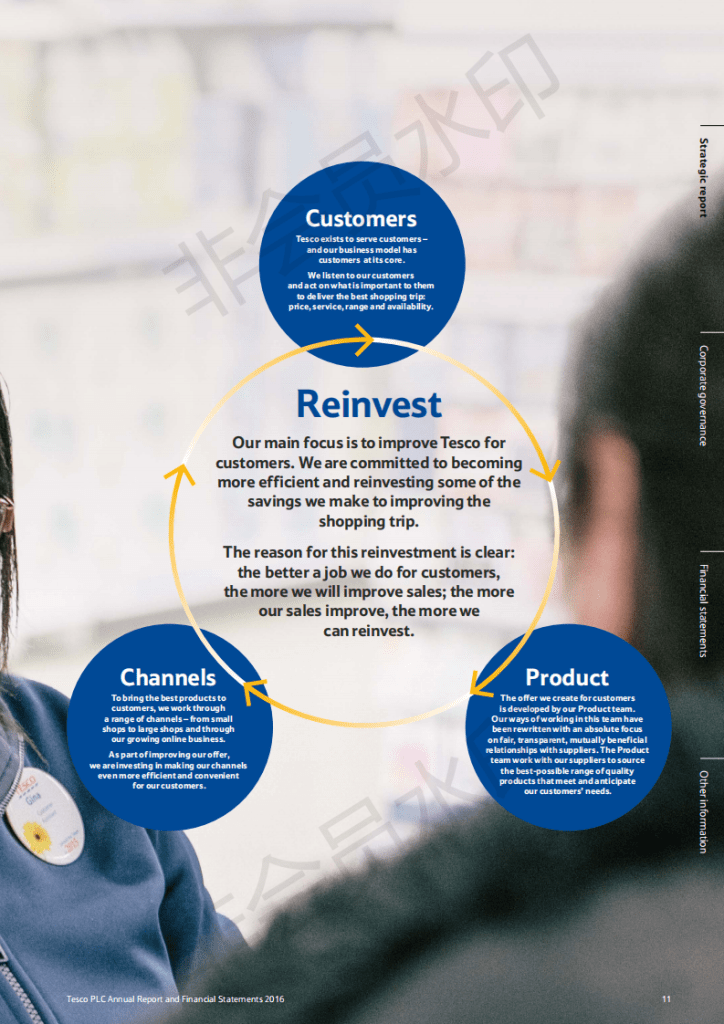
To sum up, people can easily find these digital changes in every Tesco store from Tesco extra to Tesco express, from big cities to rural areas. According to the official website of Tesco(the figure below), it shows the existing business model of this company. This model divides into three parts, they are customers, channels, and products. It can be found that two of these three parts are connected with digital technologies or digitized information, which are channels and products. As mentioned, online business based on digital technologies like delivery and personal promotions is covered by “channels” while the data about customers’ preference from a loyalty card would be used by the product work team belongs to “product”. If Tesco can make more progress in digitization, its future will be more successful.
Tour guide as a kind of career, it is a person who introduce the cultural and natural heritage of a tourism destination in the language chosen by visitors. And this career always needs an area-specific qualification usually issued and/or recognized by the appropriate authority(“What is a Tourist Guide? | World Federation of Tourist Guide Associations”, 2020). Then, what is the typical responsibility of a good tour guide? Here is the answer(skills & careers, 2020).
undertaking research and planning tours
preparing and giving presentations
offering sightseeing advice
organizing and leading excursions
problem solving
translating and interpreting
transporting and accompanying tourists
As for talking about tour guide in a digital perspective, firstly, it is necessary to give the definition of digital tourism. Nowadays, digital tourism is becoming more and more common. And it concerns increasingly the combination of the real world under new digital technologies and tourist experience. These technologies have been used around for 10 more years which means it is still a new thing in tourism(Benyon, Quigley, O’ Keefe & Riva, 2013). It can be a recommendation system to help people find suitable hotel or restaurant, while it also can be an application on the mobile phone which guide people’s trips.
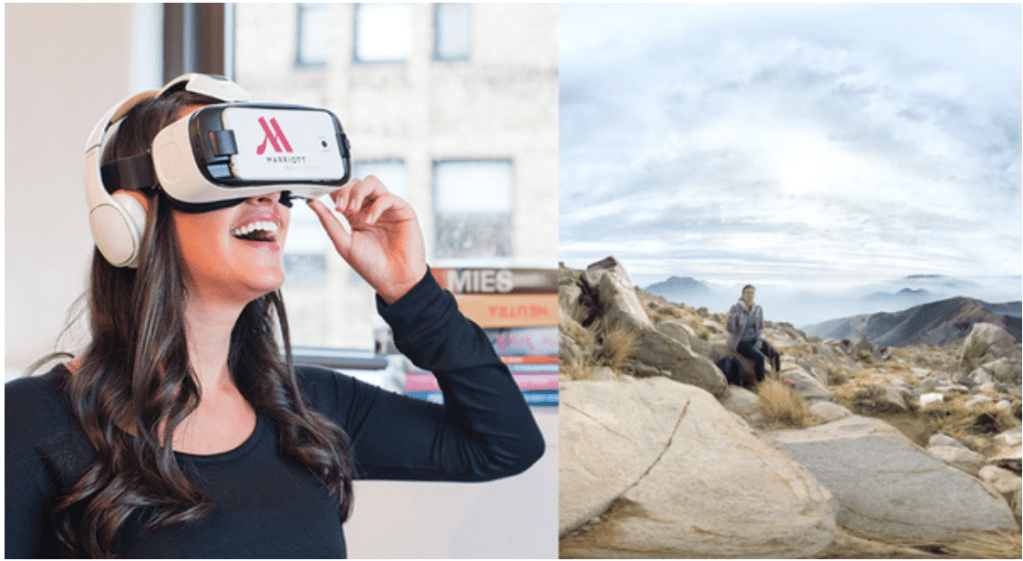
Under this digital background, what tour guide can do in tourism industry changed. Before this, the most significant duty of tour guide should be showing the tourist groups around the tourism destination such as natural spots and cultural heritages by introducing the background information or historical knowledge to help tourists make full use of their visiting time. Besides, they also need to organize the whole trip of tourist groups which includes making daily plan and taking care of tourists’ daily life during the trip. However, as mentioned, since the population of digital tourism, what tour guide can do trend to online more. In the scenic spots, compared with the real tour guide, virtual tour guide starts to have an important role. Based on some new technologies like VR(virtual reality) and AI(artificial intelligence), tourists could get information from virtual one since the explanation of a real tour guide sometime is easily influenced by surroundings. For example, if several tour guides are speaking at the same time, people will be disturbed by each other and it even might give negative impact on tourist experience. By this virtual way, everyone could use earphones and select their interesting part which would increase the effect of introduction.
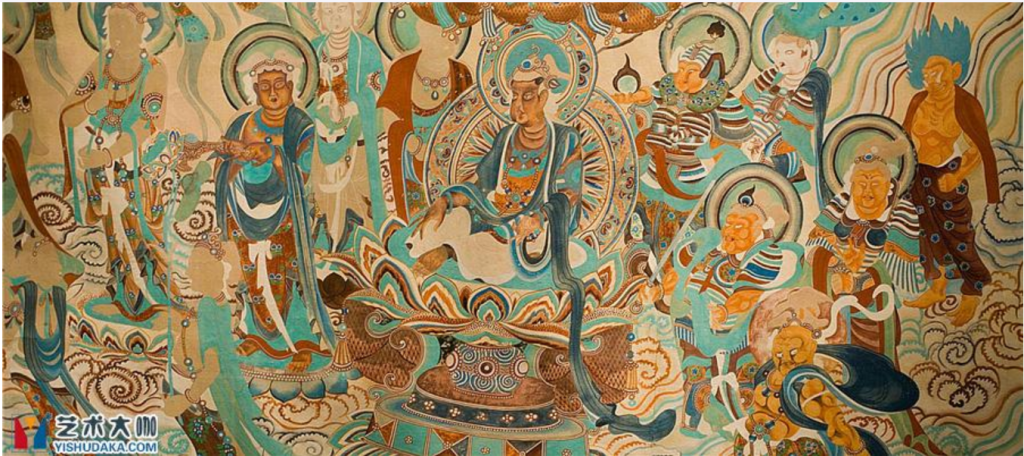
Here is a case study about Dunhuang Mogao Grottoes, China. As the living world’s biggest and best-preserved Buddhist art treasures, the contradiction between long-term protection and tourism development based on the increase in the number of tourists. In the future, this scenic spot plans to launch new digital programs such as mobile virtual Mogao Grottoes experience, handheld Mogao Grottoes cultural libraries, wireless identification and tour booking and so on. In these new programs, what tour guide can do in this scenic spot will be partly replaced by digital technologies. The explanation of history or background knowledge would be the task of robots or machine instead of tour guides.
As a result, as these new technology could replace a part of work of tour guide, it is said that this career might disappeared in the future. This opinion could be one-sided to some extent. On the one hand, this job was done completely finished by manpower with high salary and training fee. Since the new technologies mentioned, it is true that there is less and less manpower need for this career especially guide interpreter. On the other hand, it does not mean this job will disappear later. This career does not include guide interpreter in scenic spots, it also covers workers from travel agency like local guide and designers. Robots and machines can not replace the personalized part in tourism. To clarify, a real tour guide could solve daily problems better like when a tourist lose an important thing or when face to some different questions from tourists during the trip. Besides, as the population of personalized trip, the design of personalized trip still needs to rely on people instead of machine. To conclude, although the manpower requirement of tour guide as is not as high as before since the development of new digital technologies, it still has rationality to exist. People should find a balance between digital development and manual service which might benefit tourism more.
Hi, I am Zijun Zhao, a master student in University of Exeter. And you also can call me Selina. My major is International Tourism Management here and I was majored in Tourism Management in China.
Undergraduate Background
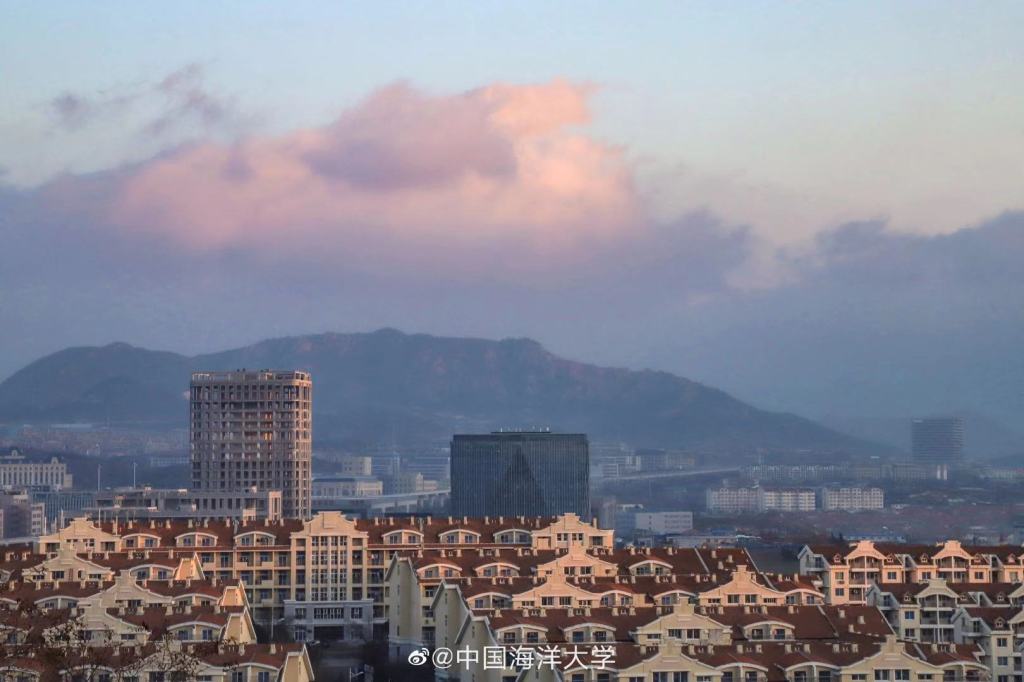
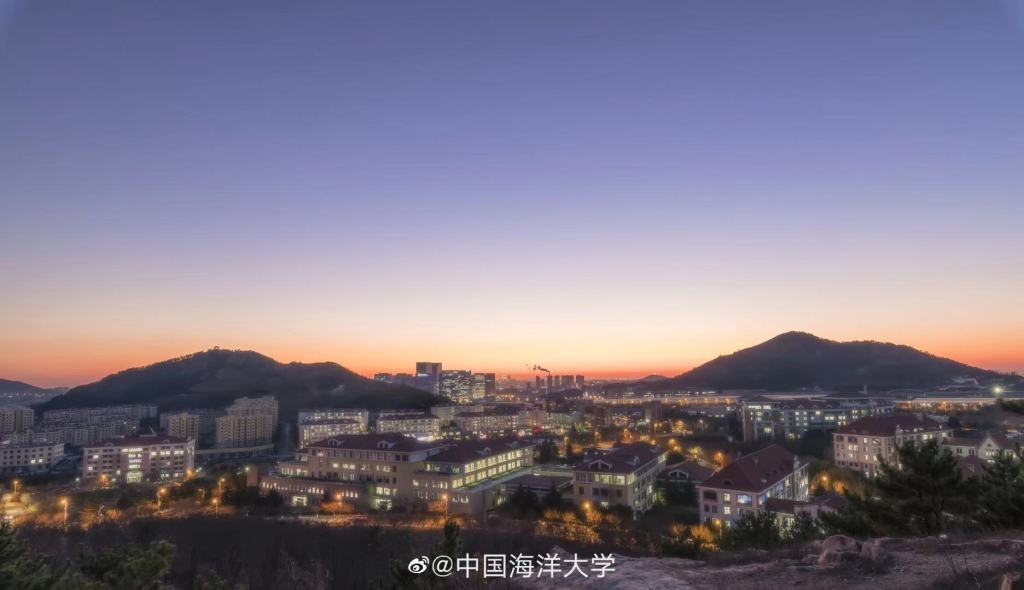
– Ocean University of China(one of the national key universities), Management School
Major: Tourism Management
Date: Sep 2015 to Jun 2019
GPA:80
School Project and Practice
– Student Union in Management School 2015.9-2016.9
• Working as a active member of Arts and Literature Department
• Organizing and arranging activities for students
– Volunteer work in Qingdao 2015.9-2016.9
– Volunteer Association for Alumni 2017.9-2018.9
• Working as the Vice President
The reasons of choosing this module
– To get the point!
–To get the digital skills!
As the business world is becoming increasingly digital and networked, it is necessary to learn some digital skills in the universities. This module is exactly suitable for postgraduates to help us face to these challenges and get the chances behind this change.
I hope to get a well understanding of digital business models and learn how to deal with this difference in my future career life.





 Zijun Zhao's digital blog